The program
Train as a negotiator. Graduate as a founder.
The Fellowship trains a small group of students to start and run a negotiation project at their own university. You learn from people who negotiate for a living, and you build the thing yourself. What you start should outlast your own year in it.
How a month runs
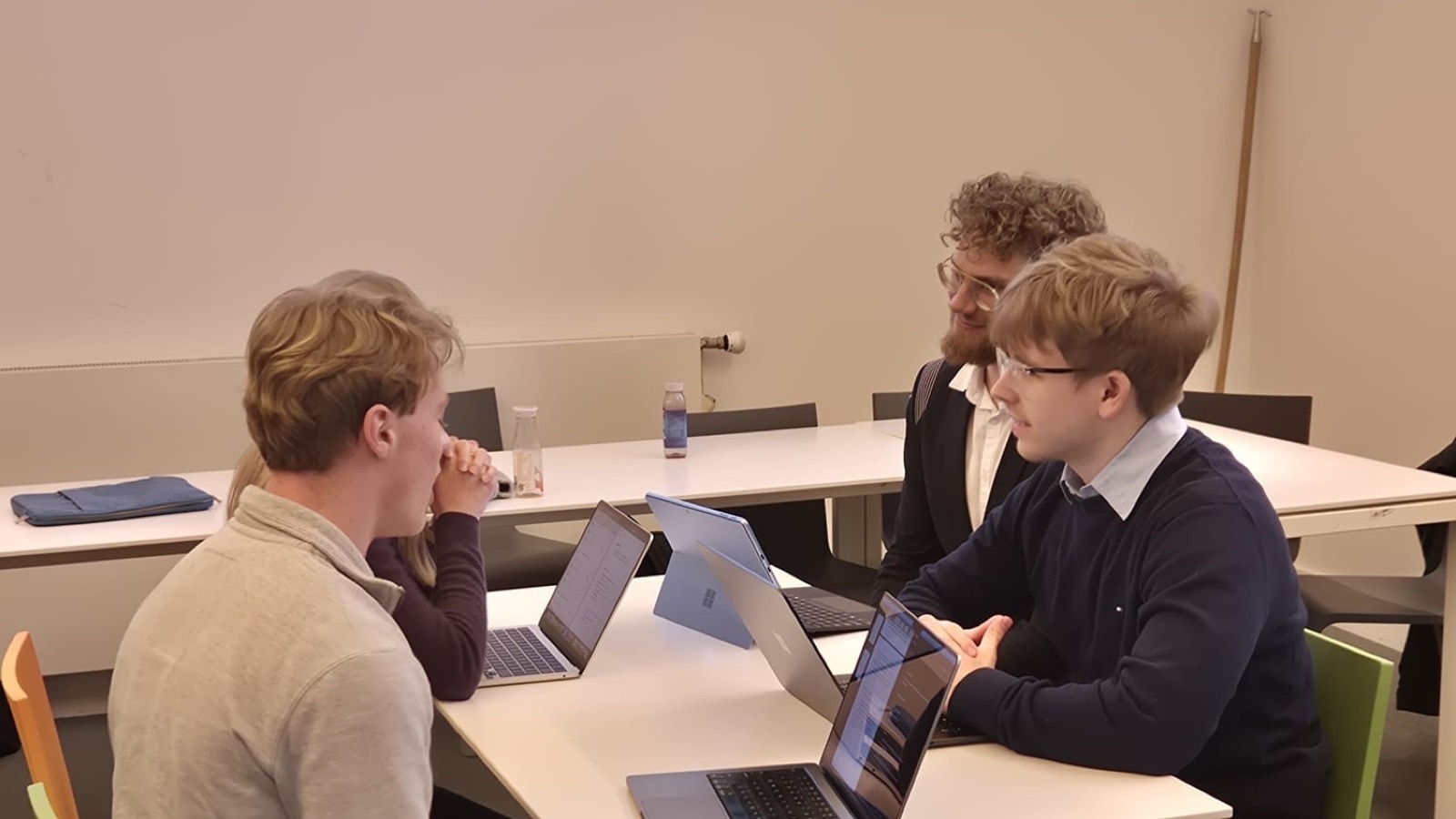
Every month runs the same way. One long day in person, one short session online, and two negotiation cases you run yourself.
Week one, in person
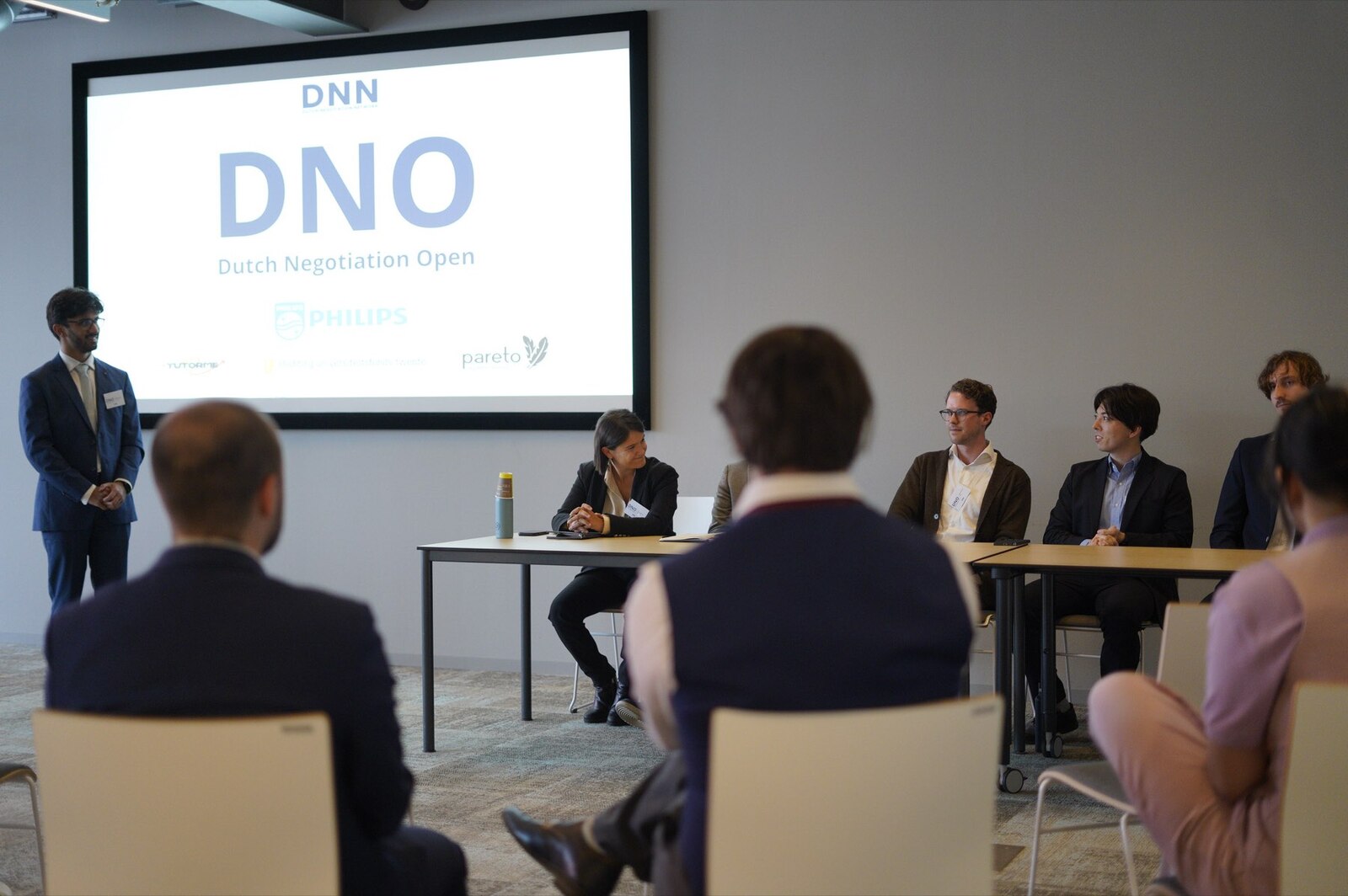
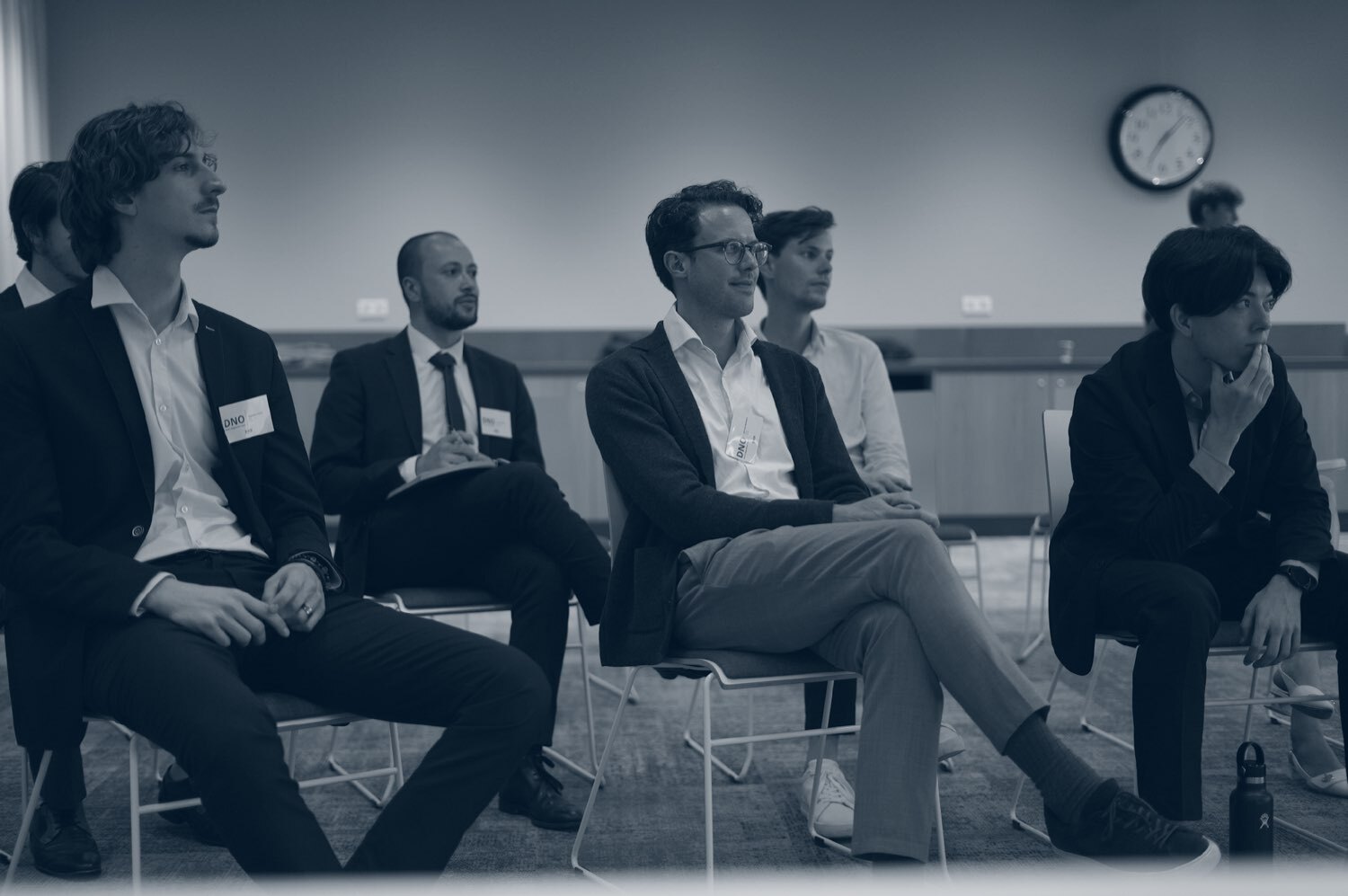
Ten until five, in Utrecht. Theory, a full simulation, a guest speaker, and time with your coach on how your project is going.
Week two, your own time
We pair you up and send the case ahead of time. You find a moment, negotiate it, and bring it back for the debrief.
Week three, online
Half an hour on the next framework, with a practitioner when the topic needs one.
Week four, your own time
The same again, using the new framework. You have put it to work before the next Saturday.
Fellows also visit negotiation projects at other universities to see how they run.
Program structure
Open a month to see what it covers. Hover a marker for the detail. The sixth month is optional.
You learn what negotiation is, and the words and tactics that go with it: how to open, how to set an agenda, and how to hear a positional offer and write it down before you react to it. You also meet your cohort and run your first cases.
You test distributive and integrative strategies against each other. Then you run a case against the clock, where you have to build the relationship fast. The month ends with an online competition against the other negotiation projects.
You learn to structure a negotiation before you sit down: who does what, what you want, and the preparation that decides most of the result. You also pick the subject you want to go deep on, and we find someone who knows it.
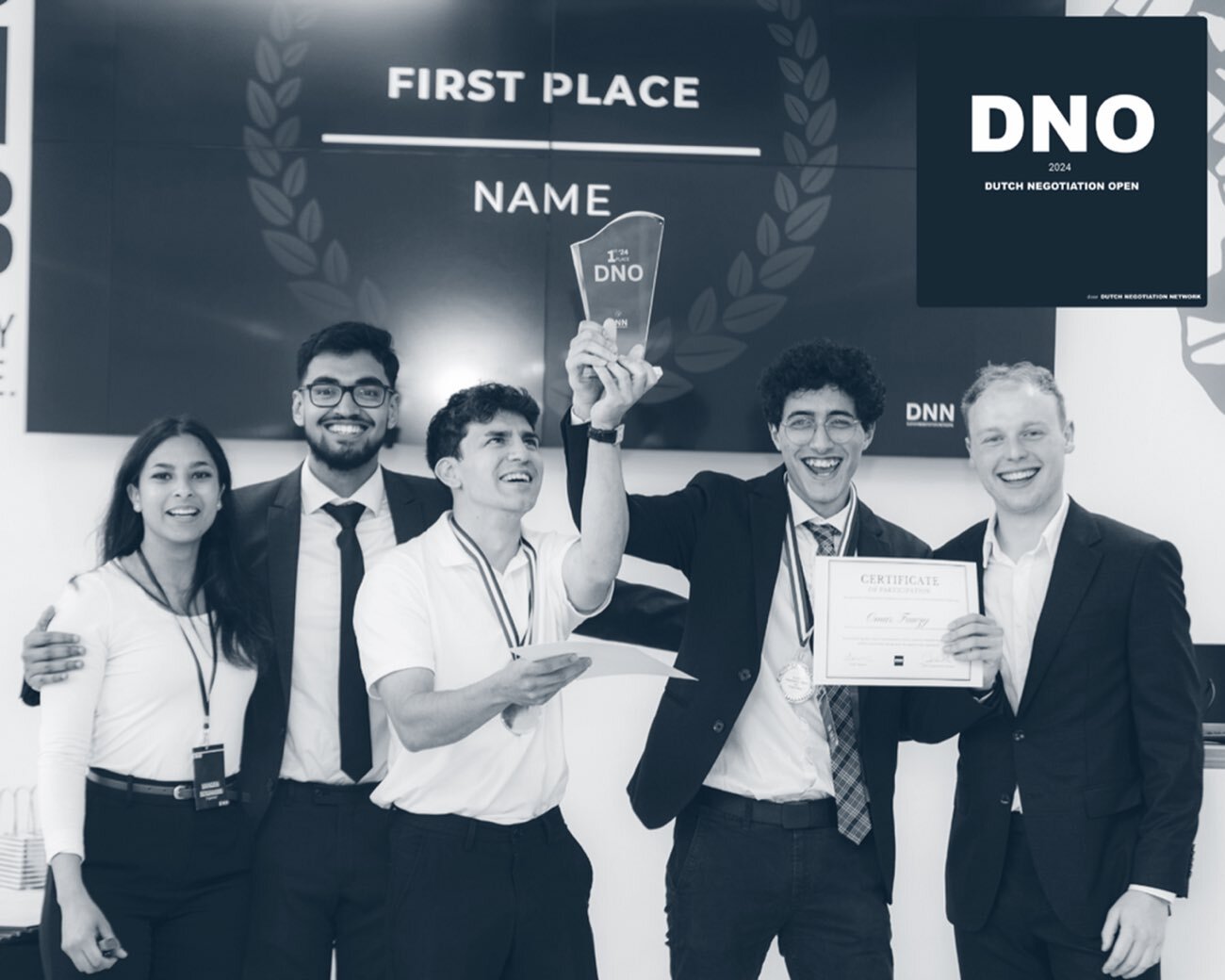
Culture, context, and how to handle the people around a negotiation rather than only the person across from you. This is the month you go out: you visit the expert you chose, and you negotiate at the Dutch Negotiation Open against fellows from every other project.
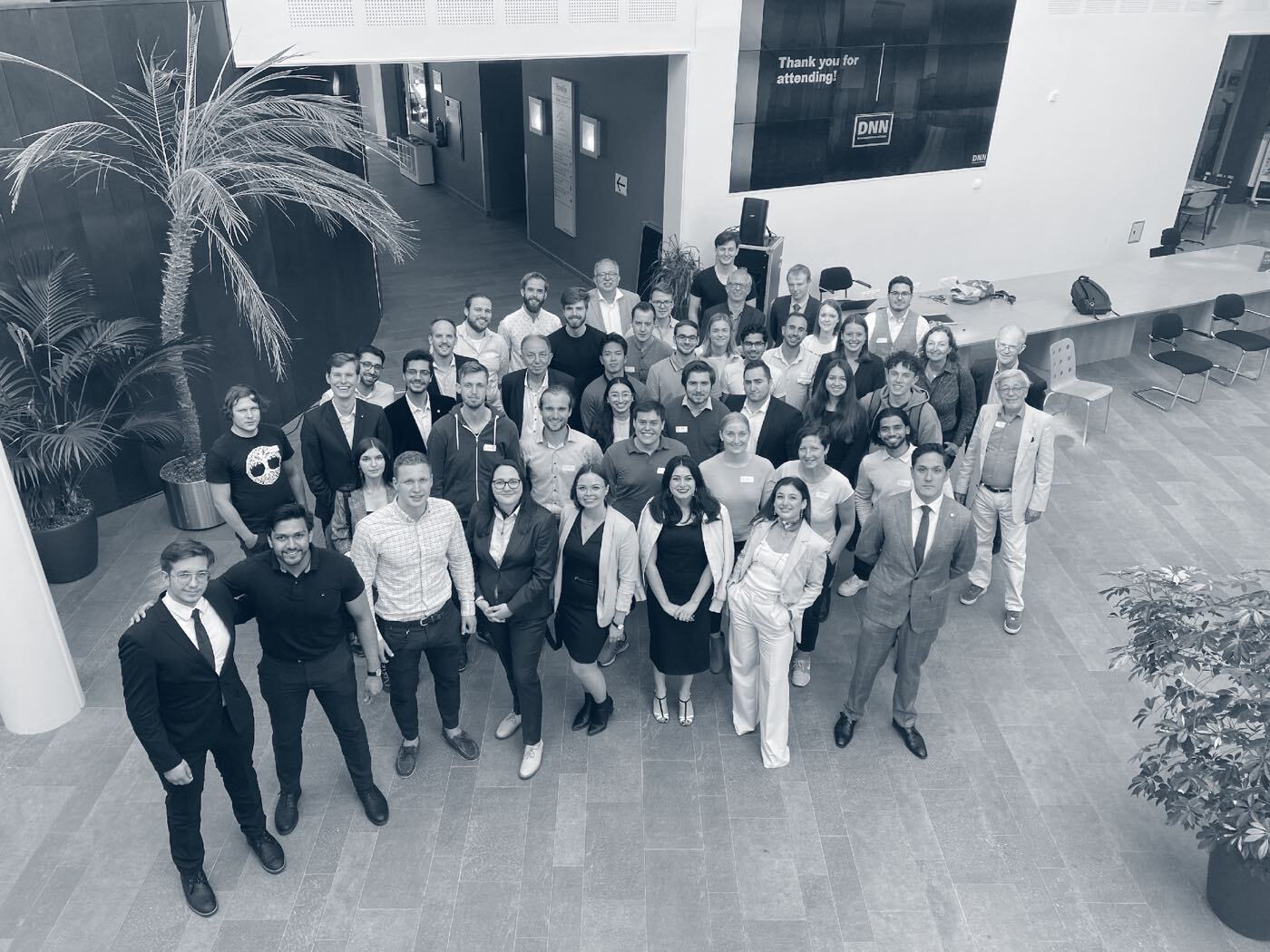
The month the program has been building toward. You run your first public session at your own university, with a DNN teacher teaching alongside you, and you leave with what you need to keep the project running: the templates, the statutes and the people. The last Saturday runs long, and ends with the ceremony and dinner.
An optional weekend abroad, after you graduate. The study trip section above has the detail.
What you'll gain
In the words of fellows who finished the program. More of them to come.
Highlights
Huiskamercollege
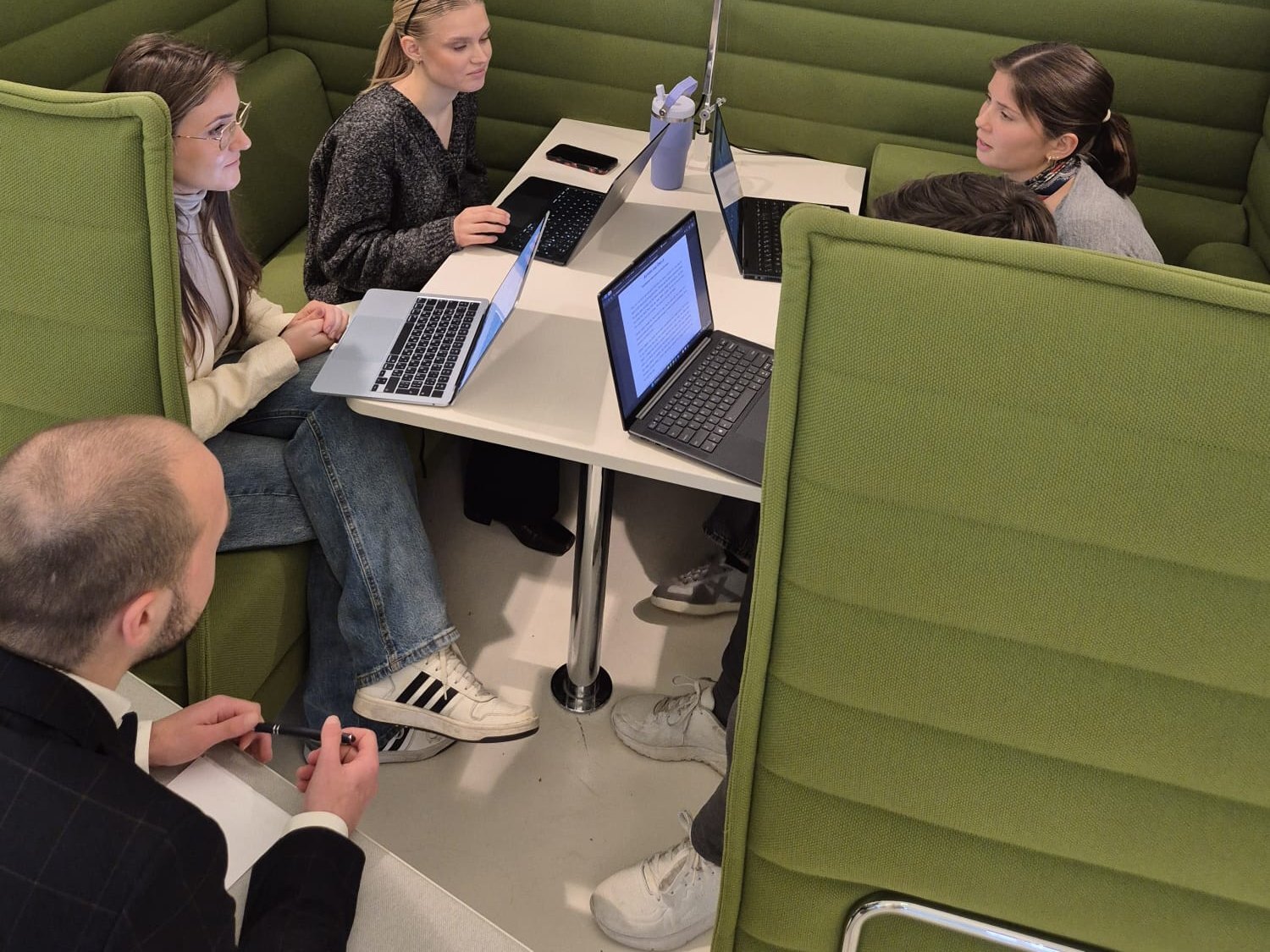
Once during the fellowship you spend an afternoon with an expert, in a group of three. Their office, an institute, or their own front room.
Step 01
You write down what you want to understand about negotiation.
Step 02
We match your subject to someone in DNN's network.
Step 03
You read their work, prepare your questions, and arrange the visit yourselves.
Step 04
You talk for two hours, then write a reflection that goes back to your host.
Study trip
Optional, after you graduate.
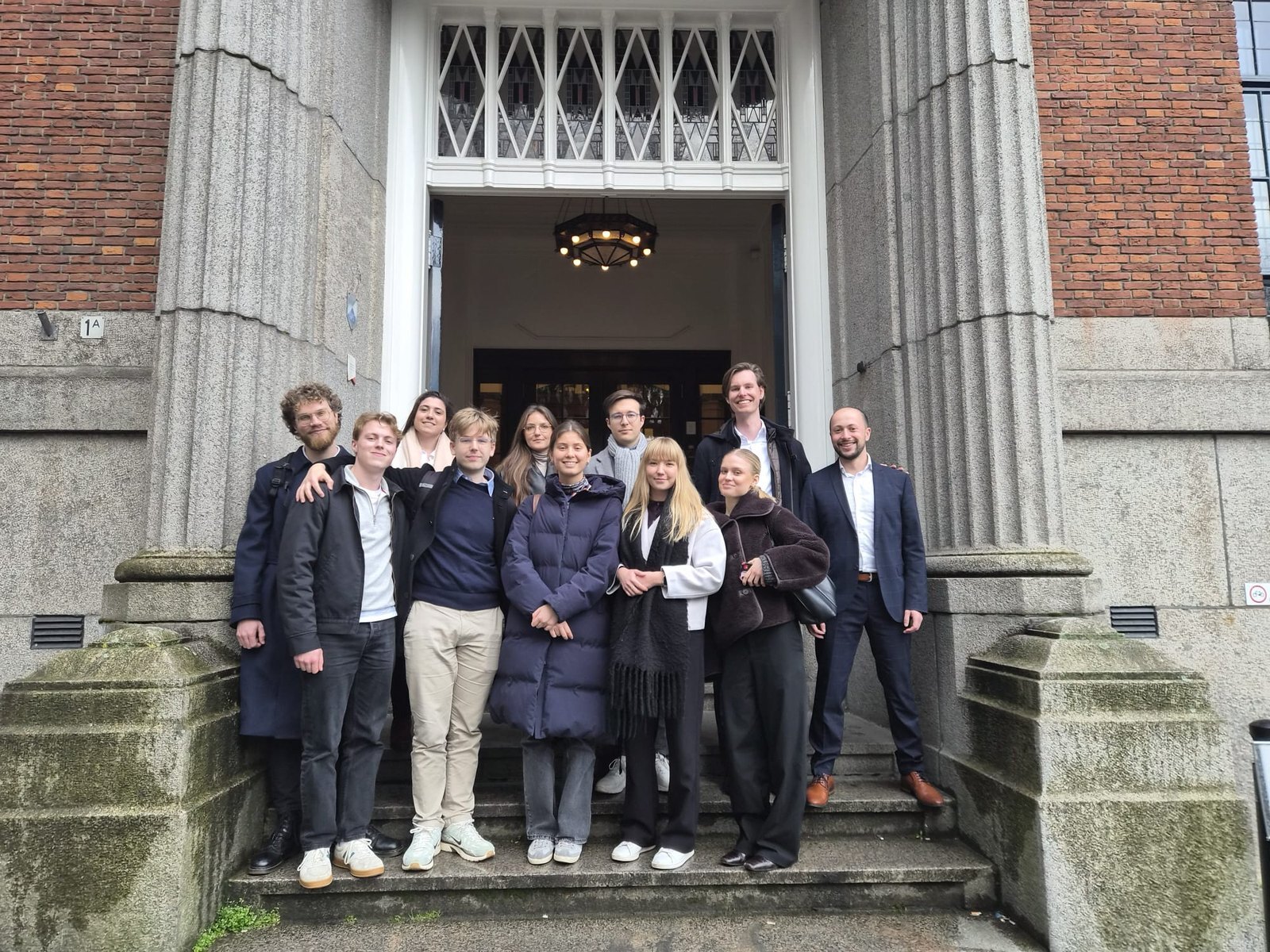
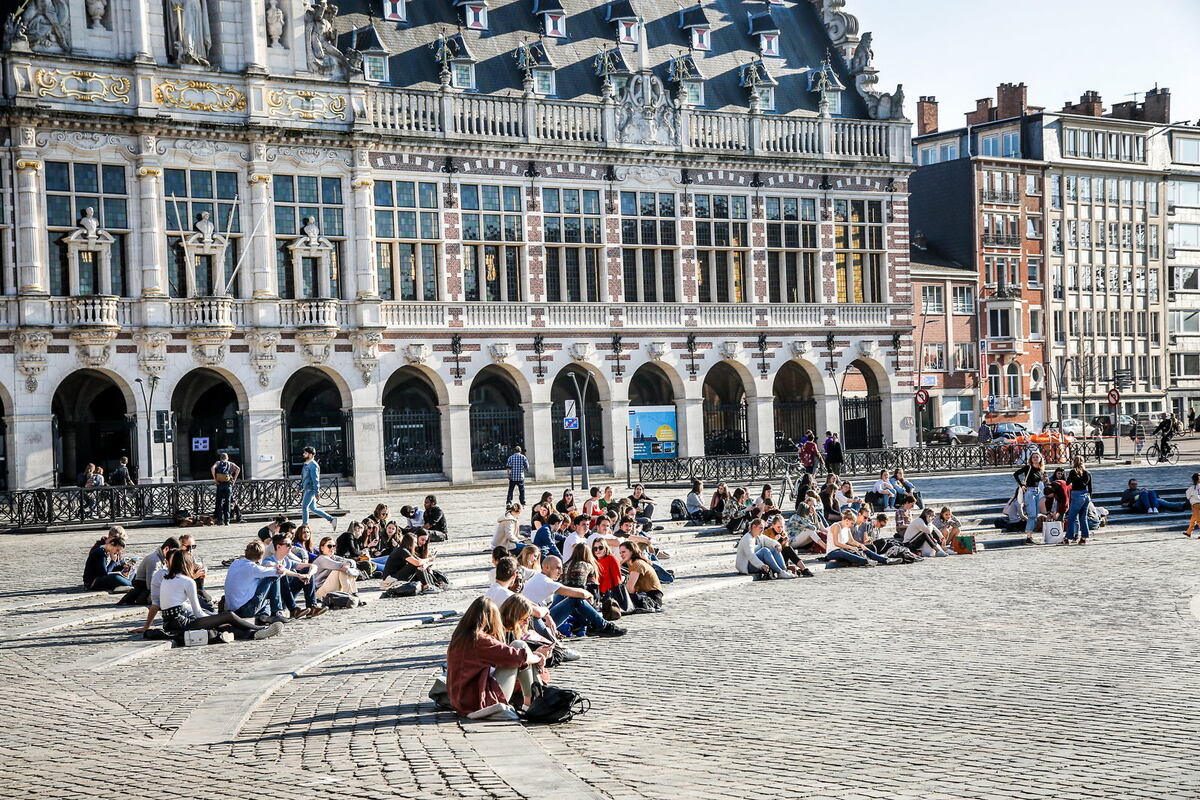

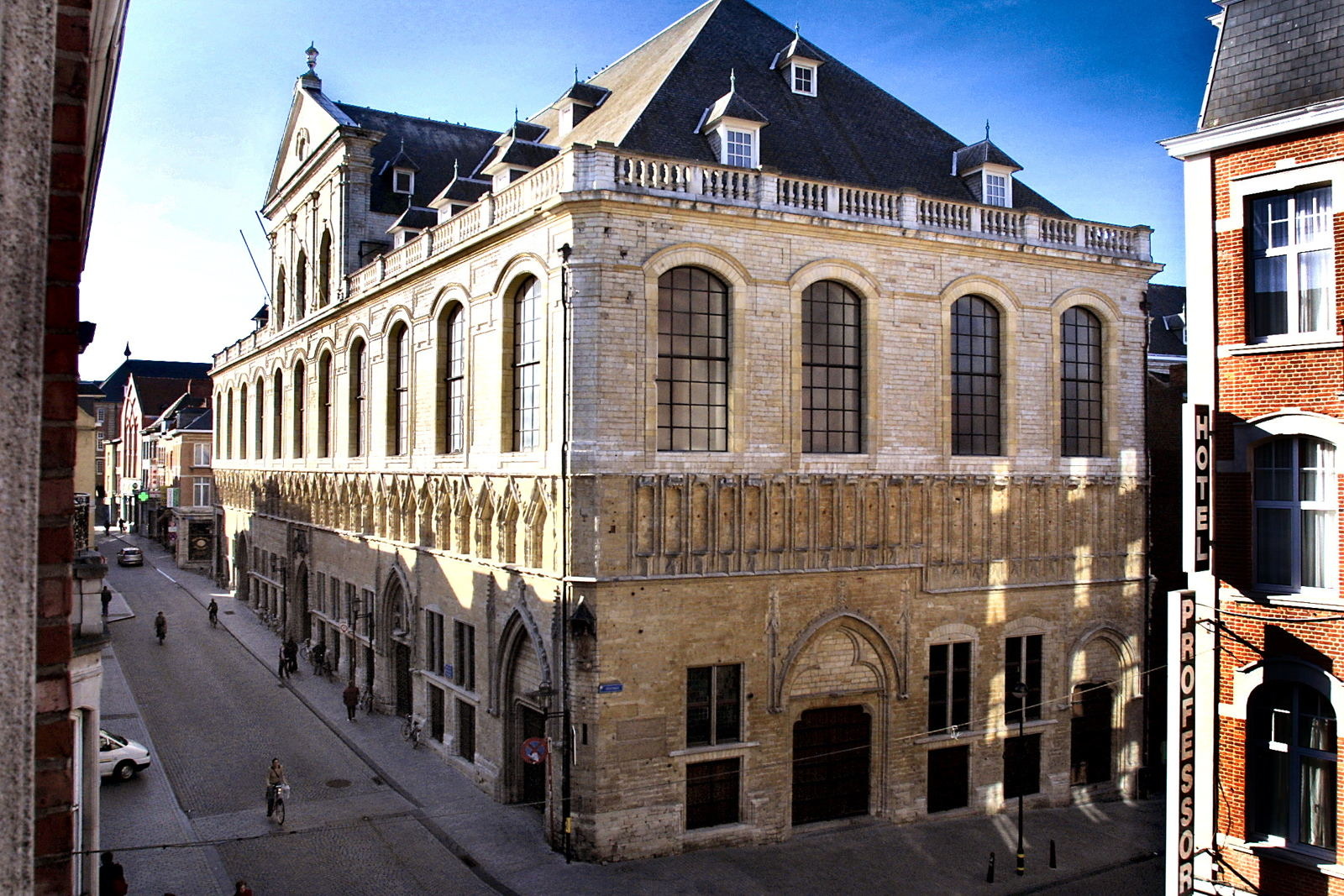
You spend a weekend at KU Leuven: guest lectures, a joint negotiation with their students, and a look at how they teach the subject.
Leuven photograph courtesy of KU Leuven.
Enrollment
We take bachelor's and master's students from any Dutch university. We select on motivation and on leadership.
Three steps, and the first one takes ten minutes.
Opens the application form. It takes about ten minutes.
FAQ
A negotiation project is a student-run club at a single university, with weekly sessions for its own members. The Fellowship trains you to open one and to teach in it. You can read about the existing projects on the Negotiation Projects page.
A few hours in a normal week, on top of the one Saturday. We publish the Saturday dates before the program starts, so you can plan around exams.
Neither. The first month starts from scratch and you run your first cases in week two. Fellows come from business, economics, law, international relations, political science and communication, and the program is aimed at second and third year bachelor's students and at master's students.
A living room lecture. It has its own section above.
Starting a project at your own university is the main path, and the program is built around it. If you would rather work nationally, you can join a DNN board or committee. Raise it when we talk.